
The Homeschool Advantage: Why Fall is the Ultimate Outdoor Classroom
One of the best things about homeschooling is the freedom to step outside the four walls of a classroom. And there’s truly no better season for outdoor learning than the fall.
As the air turns crisp and colorful, your kids are naturally curious. Leaves are changing, wildlife is preparing for winter, and the atmosphere is buzzing with change. It’s the perfect, hands-on science, art, and faith lesson all wrapped into one budget-friendly package.
As a homeschooling mom of three, I’ve learned that sometimes the simplest lessons are the most powerful. A walk outside, a simple notebook, and a little curiosity can teach more than a textbook ever could. This is your permission to slow down, step out, and use God’s creation as your classroom this autumn.
5 Hands-On Fall Nature Lessons & Autumn Homeschool Activities
These simple homeschool lessons require minimal prep and perfectly blend science, math, art, and faith, making them ideal for all ages.
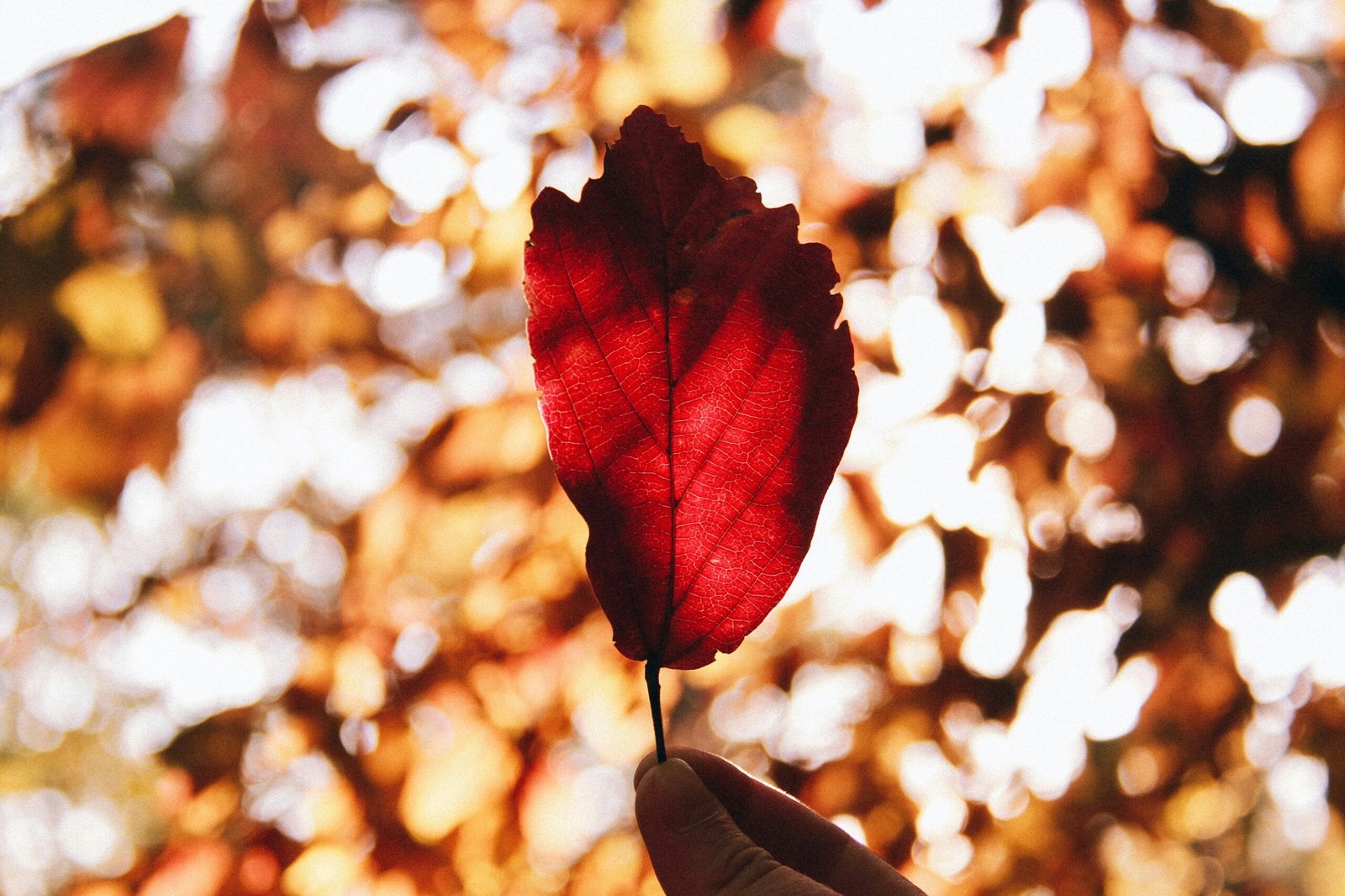
1. Leaf Collection, Classification, and Color Science
- The Activity: Head outside with bags or baskets and collect at least five different types of leaves. Back home, compare the shapes, sizes, and colors. Use a simple field guide or a free printable chart to identify the trees. For older kids, try pressing and laminating your favorites.
- The Science Tie-in: Discuss photosynthesis and how the chlorophyll breaking down causes the vibrant colors.
- Faith Connection: Talk about how every leaf is unique—just like God made each of us unique and special (Psalm 139:14)
2. Observing Seasonal Wildlife and Migration
- The Activity: Fall is a season of major change for animals. Spend 15 minutes outside observing your yard or a nearby park. Look for squirrels gathering acorns, geese flying south, or insects preparing to hibernate. Have your kids draw what they see (or don’t see!) in a nature journal.
- The Science Tie-in: Discuss the concepts of migration and hibernation. Why does the drop in temperature and food availability trigger these behaviors?
- Faith Connection: Reflect on God’s provision using Matthew 6:26—if God provides so flawlessly for the birds, how much more will He care for us? (Matthew 6:26).
3. The Life Cycle of a Pumpkin: A Math & Faith Study
- The Activity: Visit a local pumpkin patch or pick up a pumpkin at the store. Cut it open to explore the seeds, pulp, and rind. Then, work together to roast the seeds for a yummy, healthy snack.
- The Math Tie-in: This is a perfect estimation lesson! Count the seeds and have kids estimate the total before checking the actual number. Use the size and weight of different pumpkins to practice measurement.
- Faith Connection: Use the pumpkin as an analogy for how God cleans us out (removing the “guts” or sin) and gives us a new light to shine.
4. Tracking Fall Weather and Climate Shifts
- The Activity: Set up a simple weather chart on a chalkboard or whiteboard for the month of November. Every day, record the temperature, rainfall, and cloud cover. (We use Saxon math and track this pretty much every day as part of the meeting book)
- The STEM Tie-in: Chart the data and create simple bar graphs at the end of the month to show temperature trends. This is a practical, ongoing science and math lesson.
- Faith Connection: Discuss Genesis 8:22—God’s promise that “seedtime and harvest, cold and heat, summer and winter… will never cease,” reminding us of His unchanging faithfulness (Genesis 8:22).
5. The Gratitude Nature Walk
Faith Connection: Tie the activity into 1 Thessalonians 5:18—“Give thanks in all circumstances” (1 Thessalonians 5:18).
The Activity: Take a family hike or a simple walk around your neighborhood. Instruct everyone to collect “thankful treasures”—a particularly colorful leaf, an interesting acorn, a pretty rock, or a seed pod. The rule: you can only collect it if you can say out loud what you are thankful for when you pick it up.
The Application: Back home, display them in a gratitude jar or on the kitchen table as a reminder of God’s daily blessings.
Practical Tips for Successful Outdoor Learning in Fall
Taking your Christian homeschooling outdoors shouldn’t be stressful! Here are a few simple tips to help you maximize your lessons:
Use the “I Wonder” Method: Instead of providing all the answers, encourage curiosity by asking questions like: “I wonder why this leaf is still green?” or “I wonder how that spider survived the cold?” Then, look up the answers together later.
Dress for the Mess: Fall can be damp. Keep rain boots and light jackets by the door. Comfort is key to concentration!
Create a “Nature Study Kit”: Keeping a simple basket ready makes it easy to head outside and turn an ordinary day into an adventure. This should include:
Nature journals or simple notebooks
Pencils, crayons, or watercolors
Magnifying glass
Small baskets or bags for collecting
A field guide for trees, leaves, or birds
Keep it Short: For younger kids, even 15 minutes of focused nature observation is highly valuable. Don’t feel pressured to turn every walk into a two-hour lesson.
Final Thoughts: Intentional Christian Homeschooling in Fall
Homeschooling doesn’t need to be complicated to be effective. This fall, let’s lean into God’s creation as our classroom. The changing leaves, migrating birds, and even a simple pumpkin can teach our kids science, art, math, and faith—all at once.
When we slow down, step outside, and learn together, we’re not just teaching lessons. We’re creating lasting memories, nurturing genuine gratitude, and reminding our children that God’s goodness speaks everywhere we look.

Leave a Reply