
And What It’s Really Training Your Kids For
Every morning, millions of parents drop off their kids at school without stopping to ask: Why does school look the way it does?
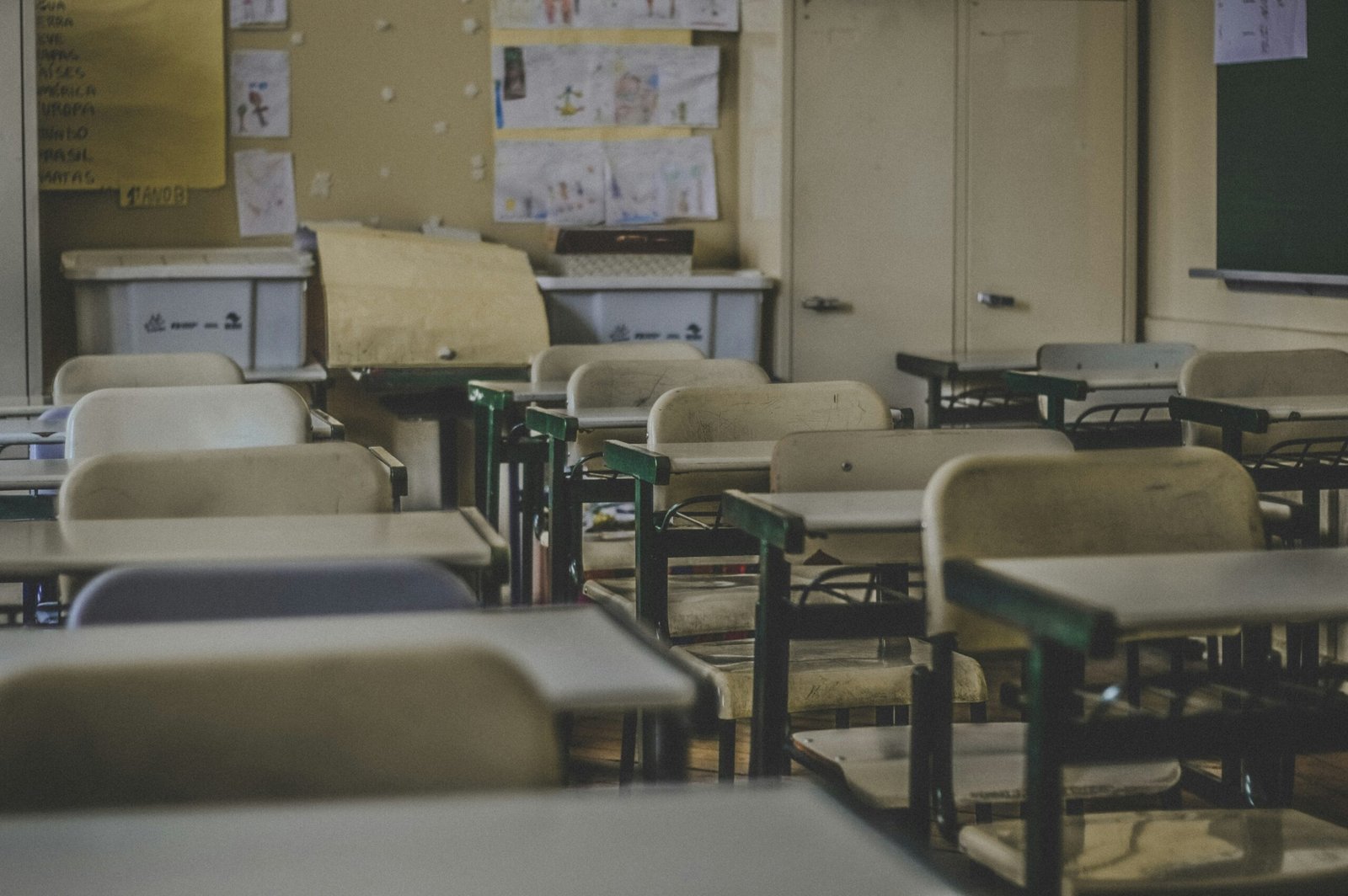
Rows of desks. Bells that tell kids when to sit, when to switch tasks, when to eat. Tests that measure memorization more than mastery. It all feels normal, but it wasn’t designed by accident.
The school system we know today was built during the Industrial Revolution—shaped to create compliant, punctual, and efficient workers. And powerful figures like John D. Rockefeller made sure it stayed that way.
The Industrial Revolution Blueprint
Factories in the 1800s needed a new kind of worker: one who could follow instructions, keep to a schedule, and work as part of a larger machine. So schools began to mirror the factory floor—rigid schedules, standardized lessons, and an emphasis on obedience.
Horace Mann’s Push for Public Schooling
In the U.S., reformer Horace Mann promoted universal, free education in the 1800s, arguing it was essential for democracy. His efforts brought structure and opportunity, but they also cemented the factory-style model into American life.
Rockefeller’s Influence: Training or Educating?
By the early 1900s, John D. Rockefeller’s General Education Board invested millions in shaping American education. The emphasis? Standardization, efficiency, and workforce preparation.
Critics point out this wasn’t just philanthropy. It was strategy. A trained, compliant workforce fueled industry. Independent thinkers weren’t always the goal.
Rockefeller’s advisor Frederick T. Gates once wrote:
“In our dreams, we have limitless resources… and the people yield themselves with perfect docility to our molding hand.”
Whether you see that as visionary or chilling (I see it as the latter), it reveals something important: our school system was designed with a purpose—and it wasn’t necessarily to unleash creativity.
Standardization and Control
By the 20th century, standardized testing cemented the model. It sorted kids into categories, rewarded memorization, and punished those who didn’t fit the mold. Efficiency mattered. Creativity? Not so much.
And the control goes deeper than just curriculum. Children spend the majority of their day indoors, seated, and waiting for permission—permission to speak, permission to move, permission to eat, even permission to use the bathroom (I always got in trouble for having to go to the bathroom in the school – we were only allowed to go three times per class per semester in my block schedule high school).
From a young age, kids learn to silence their own natural rhythms in order to obey the clock and the system. (I remember being so uncomfortable when my parents moved me to public school – stomach grumbling, having to use the restroom, etc.) What message does that send about autonomy, trust, and self-direction?
What Do You Want Your Kids Trained For?
Here’s the question parents need to ask:
- Do I want my kids trained to follow instructions and fit into a system?
- Or do I want them to lead, question, and create in a world that looks nothing like the factory floors of 1900?
Because schools still carry those original blueprints. And unless we think critically about them, our kids may be learning lessons we never intended.
Final Thoughts
The school system wasn’t designed to raise innovators. It was designed to raise workers. That doesn’t mean schools are “bad”—but it does mean we, as parents, have to decide:
👉 Will we rely on a system built to create compliance and conformity?
👉 Or will we we raise kids who are allowed to think and operate outside of the box?
The history of education isn’t just about the past. It’s about the choices we make for our kids today.

Leave a Reply